
Congratulations to the outstanding trial team at Pisanelli Bice on yesterday's $11 million jury verdict against Parler in Las Vegas. Dimitrius & Associates is pleased to be a part of this winning team.
A Nevada jury awarded former Parler CEO John Matze $11.08 million on Friday, finding that financier Rebekah Mercer conspired to unlawfully take his company shares. The award includes $10.83 million for his equity and $250,000 in punitive damages.
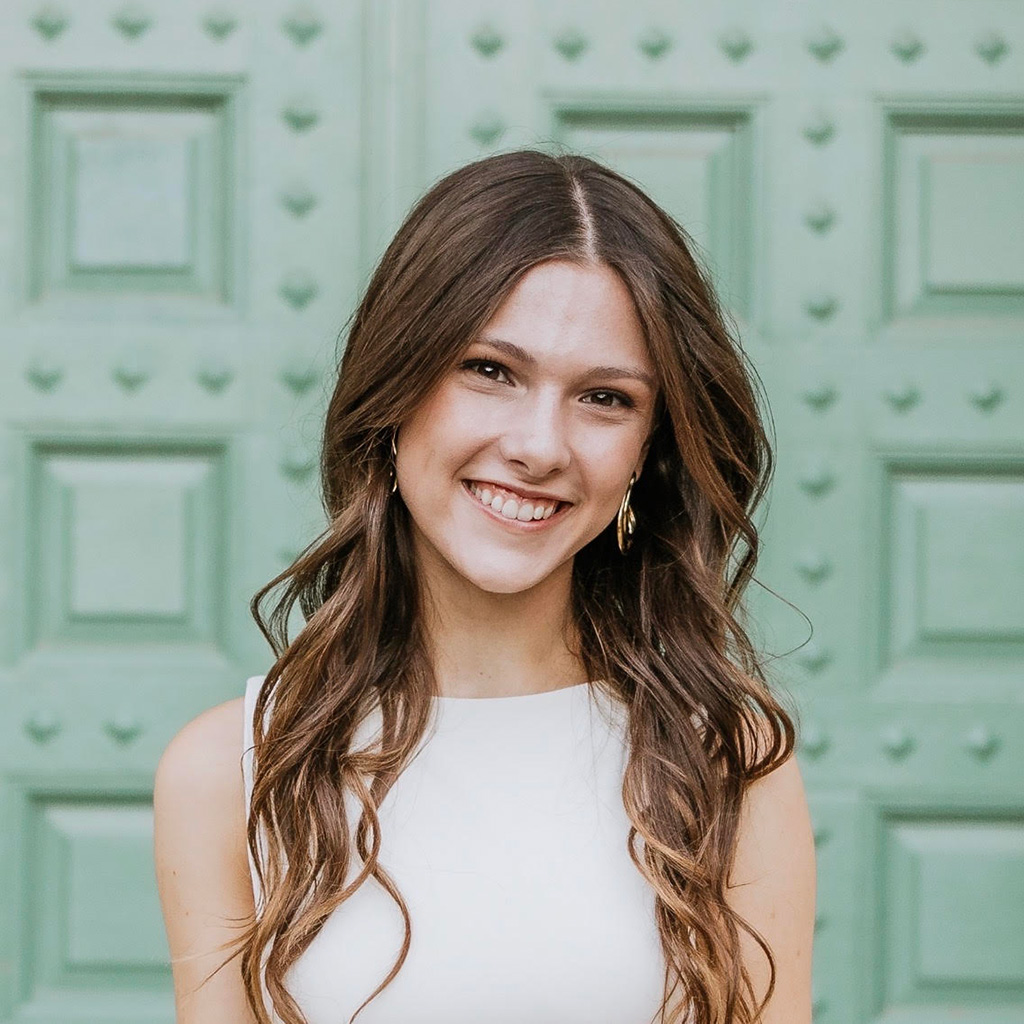
Samantha Low joins our team this summer as an intern while pursuing her studies at The University of Texas at Austin. We are excited to welcome Samantha and look forward to the energy, perspective, and enthusiasm she brings to the organization as she gains hands-on experience in the field.
Dimitrius & Associates is proud to have supported the incredible trial team's efforts led by Matthew Cantor and Jean Kim. Congratulations to all!
Sacramento, Calif.-based Sutter Health has agreed to pay $228.5 million to settle a long-running class action lawsuit that the health system used its market power to charge supracompetitive rates to major insurers, which resulted in higher premiums for members.
Dimitrius & Associates was proud to support the dynamic duo of Matt Cantor and Jean Kim representing the plaintiffs in this action.
Sutter Health has agreed to settle a massive class-action lawsuit accusing the nonprofit health system of illegally wielding its market power to drive up Californians' health care costs by more than $400 million.
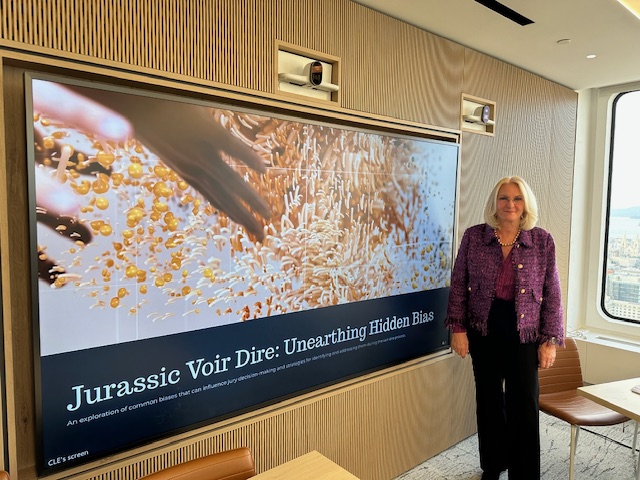
Dr. Jo-Ellan Dimitrius enjoyed presenting a program on uncovering hidden bias during voir dire to the Asian American Bar Association of the Greater Bay Area.
Why Daniel Penny's Jury Consultant Made Prosecutors Sweat
Dimitrius, an industry heavyweight, is helping out Penny, a U.S. Marine Corps veteran facing manslaughter and criminally negligent homicide charges for defending his fellow passengers aboard a busy New York City subway car in May 2023. Penny had heroically stepped in to subdue Neely, who was threatening to kill other commuters, including women and children, trapped on the train with him. Neely later died, and the medical examiner ruled his death a homicide.
Dimitrius & Associates was honored to be a part of the defense of Daniel Penny led by attorneys, Thomas Kenniff and Steve Raiser. Additionally, we'd like to credit the efforts of Alan Tuerkheimer, Kristle Kendrick, Tommy Dow, and Neil Newhouse of Public Opinion Strategies.
Daniel Penny has been found not guilty of criminally negligent homicide in the subway chokehold death of Jordan Neely.
It comes after jurors told the court Friday morning they couldn't reach an agreement on the top charge, second-degree manslaughter, and prosecutors moved to dismiss it, prompting the judge to controversially allow them to only deliberate the second charge.
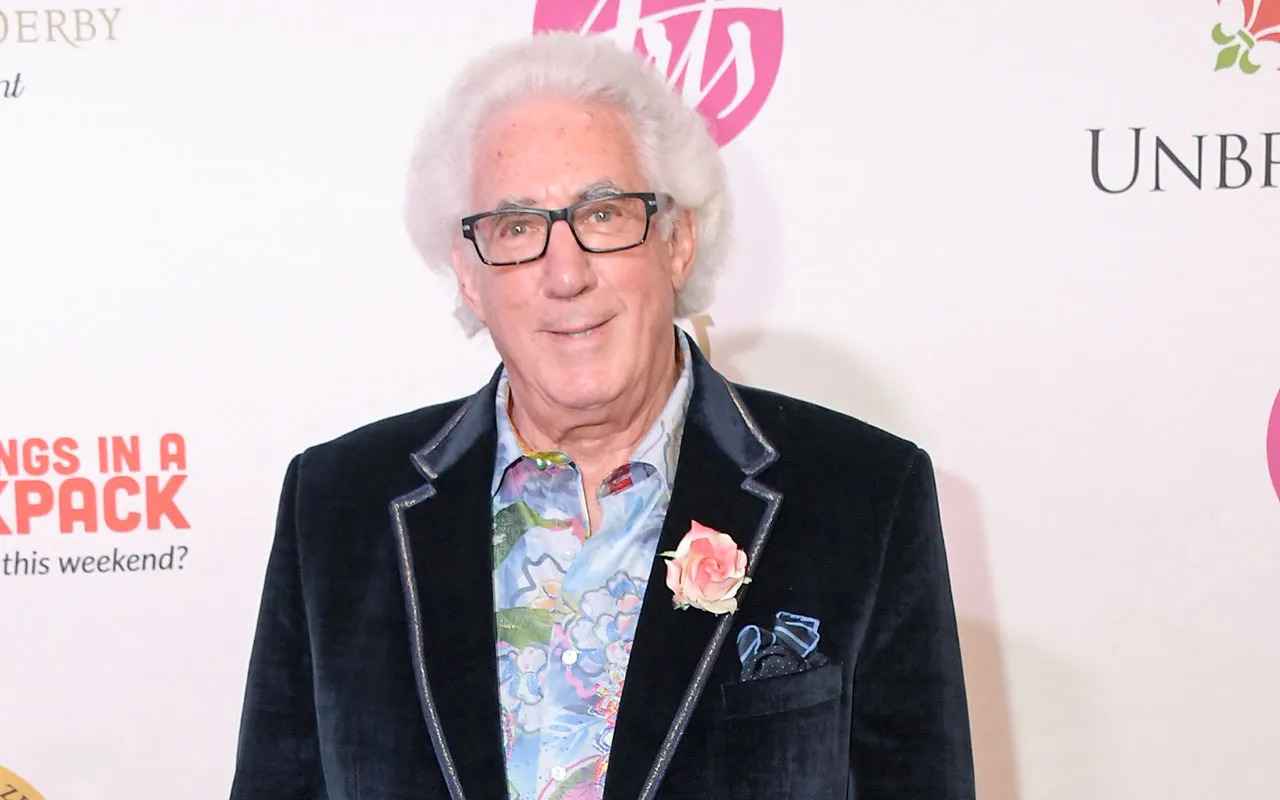
Mattel Wins Lawsuit
After a high-stakes trial, a jury has found that Mattel did not steal a reality show concept from producer Norton Herrick, marking a major victory for the toy giant, which could have been on the hook for $46.2 million in damages.
Dimitrius & Associates was honored to work with the successful defense team of Larry Iser, Patti Millett, Kristen Spanier, and Chris Avalos on this case
A jury in Los Angeles County on Thursday ruled 9-3 in Mattel Inc.'s favor in a long-running dispute with a Hollywood producer who claimed the toy giant stole his idea for the television show “Toy Box.”
Mattel's counsel, Lawrence Y. Iser confirmed on Friday that the company prevailed on all the claims against it. Iser is with Kinsella Holley Iser Kump Steinsapir. The trial was held in Santa Monica Courthouse.
I join Wolf Blitzer to talk about final 12 jurors selected in President Trump's hush money trial
Dr. Jo-Ellan Dimitrius discusses potential sequestration of jurors in the Trump hush money trial in Law360
For more than eight months in 1995, the jury thatultimately acquitted O.J. Simpson of murder was closely guarded at a hotel. Virtually everything theydid, from their phone calls to the TV shows they watched, was controlled or monitored.
Life will likely be very different for jurors picked this month to hear the first criminal case against aformer American president, despite a similar media frenzy.
Dr. Jo-Ellan Dimitrius discusses President Trump's hush money trial on Inside Edition
Donald Trump lashed out again at the prosecutors in his Stormy Daniels hush money trial. In five days, Trump will be at the criminal court in New York City for the start of jury selection. The trial is sure to be a media circus with Daniels slated to be testifying. It comes as the questionnaire that prospective jurors must answer to sniff out any bias has emerged. Inside Edition's Steven Fabian has more.
Jury Selection Begins for the Alex Murdaugh Double Murder Trial
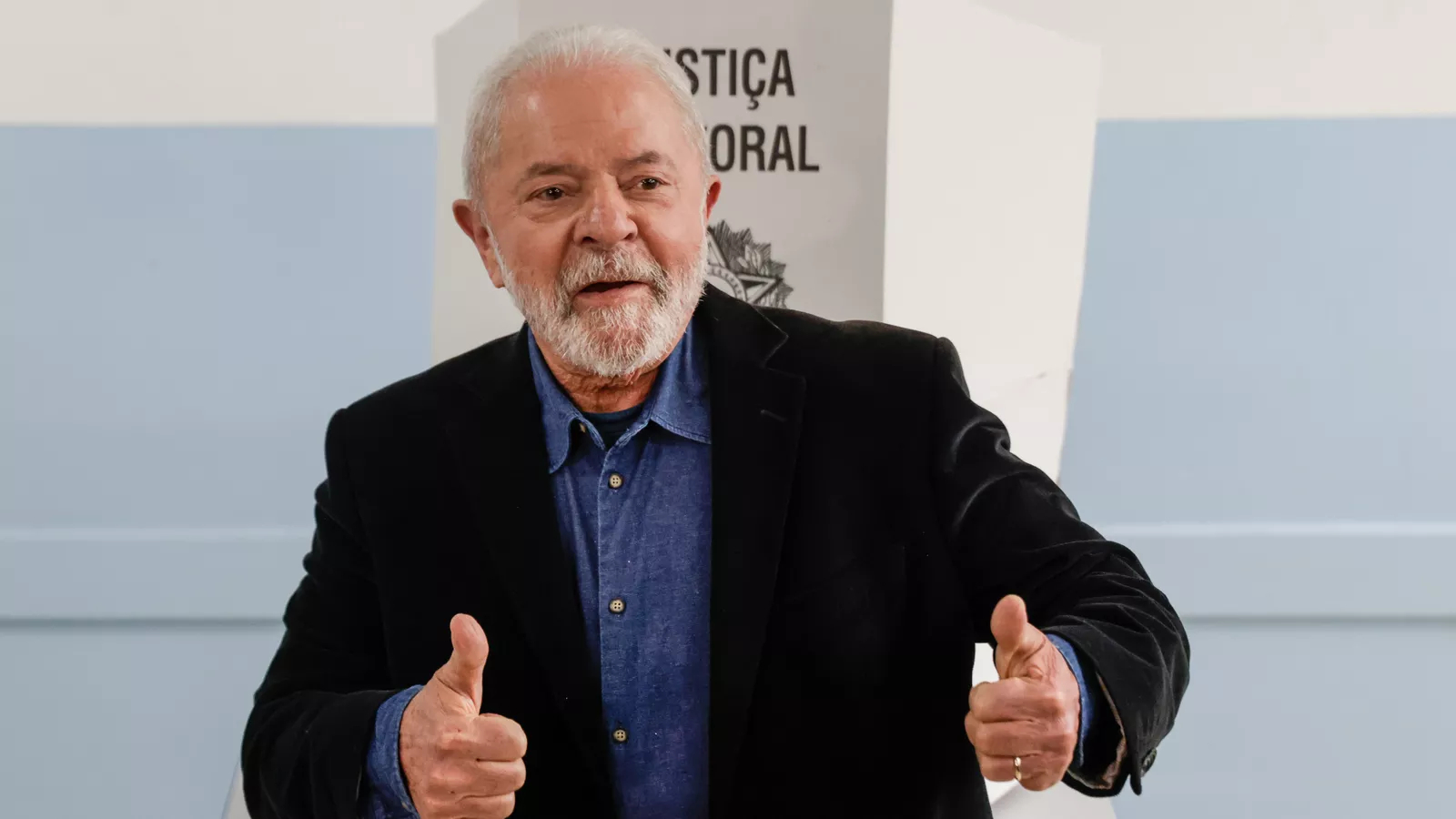
Brazil's Lula beats Bolsonaro in stunning political comeback
Congratulations to our client, Lula, on his amazing return to the presidency of Brazil.
Brazil's Lula beats Bolsonaro in stunning political comeback
Leftist former President Luiz Inácio Lula da Silva won Brazil's presidential runoff Sunday, beating right-wing President Jair Bolsonaro with 50.90% of the vote, according to the country's election authority.
Jury Convicts Paul Flores
Dimitrius & Associates was proud to work with the prosecution on this case.
A jury convicted Paul Flores of murdering college student Kristin Smart in 1996
The last man seen with Kristin Smart was convicted Tuesday of killing the college freshman, who vanished from a California campus more than 25 years ago, but his father was acquitted of helping him conceal the crime.
Jurors unanimously found Paul Flores guilty of first-degree murder. A jury in a separate trial found his father, Ruben Flores, not guilty of charges of being an accessory to murder after the fact. The conflicting verdicts were read moments apart in the same courtroom.
Brazil probe violated ex-President Lula's rights
Dimitrius & Associates was honored to be part of Lula's legal team.
U.N. committee finds Brazil graft probe violated Lula's rights
The U.N. human rights committee said on Thursday that Brazil graft investigators violated due process in bringing a case against former President Luiz Inacio Lula da Silva that led to his imprisonment and barred him from running for office in 2018.
The finding follows a decision last year by Brazil's Supreme Court to annul his corruption conviction, allowing him to run for president again in this October's election.
Kyle Rittenhouse found not guilty on all counts
In one of the final trials of 2021, Dimitrius & Associates was honored to assist Mark Richards and Corey Chirafisi in the defense of Kyle Rittenhouse.
Kyle Rittenhouse found not guilty on all counts
A Wisconsin jury on Friday found Kyle Rittenhouse not guilty in the fatal shooting of two men during protests in Kenosha last year, capping a trial that touched on issues of gun rights and race.
Rittenhouse, 18, from nearby Antioch, Illinois, was cleared on all five charges related to his actions on Aug. 25 last year, during protests over the shooting of a Black man, Jacob Blake, by a white Kenosha police officer.
Jury Awards Singaporean Plastics Co. $14.5M
Dimitrius & Associates was proud to be a part of this victory for SinCo.
Ropers Majeski Secures $14.5M Jury Verdict for Tech Manufacturer in Trademark Infringement Case
Ropers Majeski, a multi-national law firm representing clients in litigation and transactions internationally, secured a $14.5 million trademark infringement jury verdict in the U.S. Court for the Northern District of California (N.D. Cal) on November 17 for client SinCo Technologies (SINCO), a Singapore-based supplier to tier-one OEM consumer electronic tech companies. Litigation Partner Lael Andara led the Ropers Majeski trial team.
“We're grateful that the jury unanimously and clearly understood and agreed with our assertion that initial interest confusion occurred,” said Andara. “Ultimately, such willful behavior stifles innovation, slows product development, chills entrepreneurialism, and has the potential to impact the end consumer experience negatively. Hopefully, this substantial verdict serves as a deterrent to similar activity in the future.”
SINCO sued its contract manufacturer Sinco Electronics (Dongguan) Co. (subsidiary of Jinlong Machinery & Electronics Co., Ltd.), now called “XINGKE,” for trademark infringement on Sept. 22, 2017, in N.D. Cal. XINGKE claimed an affirmative defense of abandonment. SINCO initially granted its contract manufacturer XINGKE a geographically limited license to use its trademark in China within the scope of work for SINCO before 2016. XINGKE was acquired by a competitor of SINCO in 2016, under the direction of Mui Liang Tjoa.
Shortly after the acquisition, SINCO learned its employees Mark Liew and Cy Ng, who were stationed in China to oversee SINCO's interests at the factory, had traveled to the United States to meet with SINCO's customers—without the knowledge and permission of SINCO. Before resigning from SINCO, defendants Liew and Ng introduced Tjoa to SINCO customers in the U.S. during several unauthorized visits in 2016 and 2017. XINGKE and its agents used SINCO's trademarks registered with the U.S. Patent and Trademark Office and the previous relationship of its employees to divert SINCO's business to China. In 2018, Federal Judge Edward Chen issued a preliminary injunction banning the defendants from using “SinCo” and “SinCoo.”
Good Morning America: Deciding Derek Chauvin's Fate
A diverse jury made up of five men and seven women of varying ages and races will decide if the former officer is responsible for the death of George Floyd. ABC News Senior Legal Correspondent and Analyst Sunny Hostin and jury and trial consultant Jo-Ellan Dimitrius discuss the charges the jury is considering and signs to look out for as they deliberate.
Dimitrius & Associates consults on George Floyd Civil Suit
In the largest pre-trial civil rights wrongful death settlement in US history, the City of Minneapolis and police officers settled the George Floyd civil lawsuit for $27 million. A portion of the settlement, $500,000, has been set aside to enhance the memorial site where George Floyd died. Dimitrius & Associates is proud to have been retained and consulted by the George Floyd legal team.
Court TV on the Death of George Floyd Murder Trial
Dr. Jo-Ellan Dimitrius discusses jury selection for the death of George Floyd murder trial.
Who Is That Masked Witness?
The COVID-19 pandemic has prompted conversations in the legal community covering methods in which all participants (litigants, judges, lawyers, jurors and witnesses) can be potentially protected from an unseen virus. The conversation, however, hasn't included the rights of those litigants to have a fair evaluation of witnesses speaking for or against them. It also hasn't included the defendant's rights under the Sixth Amendment's confrontation clause of the U.S. Constitution.
None of us have been exempt from the mask wearing travails of our current time. How many of us have been at a grocery store, post office or bank with our mask on trying to communicate with others? How many times have you heard “I'm sorry can you repeat that again”, or “can you speak louder I can't hear you” or “what did you just say” (improperly implying that you said something inappropriate)?
As the courts begin to reopen there have been a lot of suggestions as to how to protect all courtroom participants. One of the most egregious has been the suggestion that all witnesses who testify should don a mask. What in the world are those people thinking? Let's just go ahead and put the witness on the stand with a paper bag over their head. What ever happened to following jury instructions dealing with the credibility of a witness?
1.7 of the Federal Model Criminal Jury Instructions say:
“In deciding the facts in this case, you may have to decide which testimony to believe and which testimony not to believe. You may believe everything a witness says, or part of it, or none of it.
In considering the testimony of any witness, you may take into account:
(3) the witness's manner while testifying;”
The “witness's manner while testifying” clearly means the demeanor of the witness. Demeanor incorporates appearance, behavior, facial expressions, body language, intonation (vocal tone), etc.
Let's look at the pure physics of having a witness wearing a mask. In essence, the mask acts as a physical barrier between the voice and facial expressions of the witness and the ears and eyes of the jurors. How will that mask impact how a soft-spoken witness is perceived? How will it impact a mumbling witness? One can certainly argue that the mask can potentially conceal significant deviations in the witness's vocal traits.
The recipient(s) of the testimony would also not have the advantage of seeing potential “tells”. By tells, I reference nervous smiling, mouth agape, biting the lip, licking the lip, etc.
How can one clearly judge another with a mask on? The mask hides the mouth, nose and the lower ½ of the face. Are the jurors' mind readers who can assume what position the mouth is in while that person testifies?
Sadly in attempting to protect the health of the witness, the ability for a jury or judge to evaluate the credibility and veracity of a witness is significantly reduced if not voided. The normal ability to see the entirety of a witness's face eliminates the ability of a juror or judge to decode facial clues. Ultimately, there is a clear denial of a defendant's right to confrontation of a witness.
In a fascinating and timely article by Scott Grubman for Law 360 (July 9, 2020), the author talks about factors previously considered by courts as they relate to facial disguises. The first was a ruling by the U.S. District Court for the Eastern District of New York (United States v. Nasser) in which the court allowed six undercover intelligence officers to testify with wigs and “light makeup” in order to protect their identities. The court indicated that the officers could only do so if the makeup and wigs didn't restrict the jury's or defendant's ability “to view the witnesses' full facial expressions.”
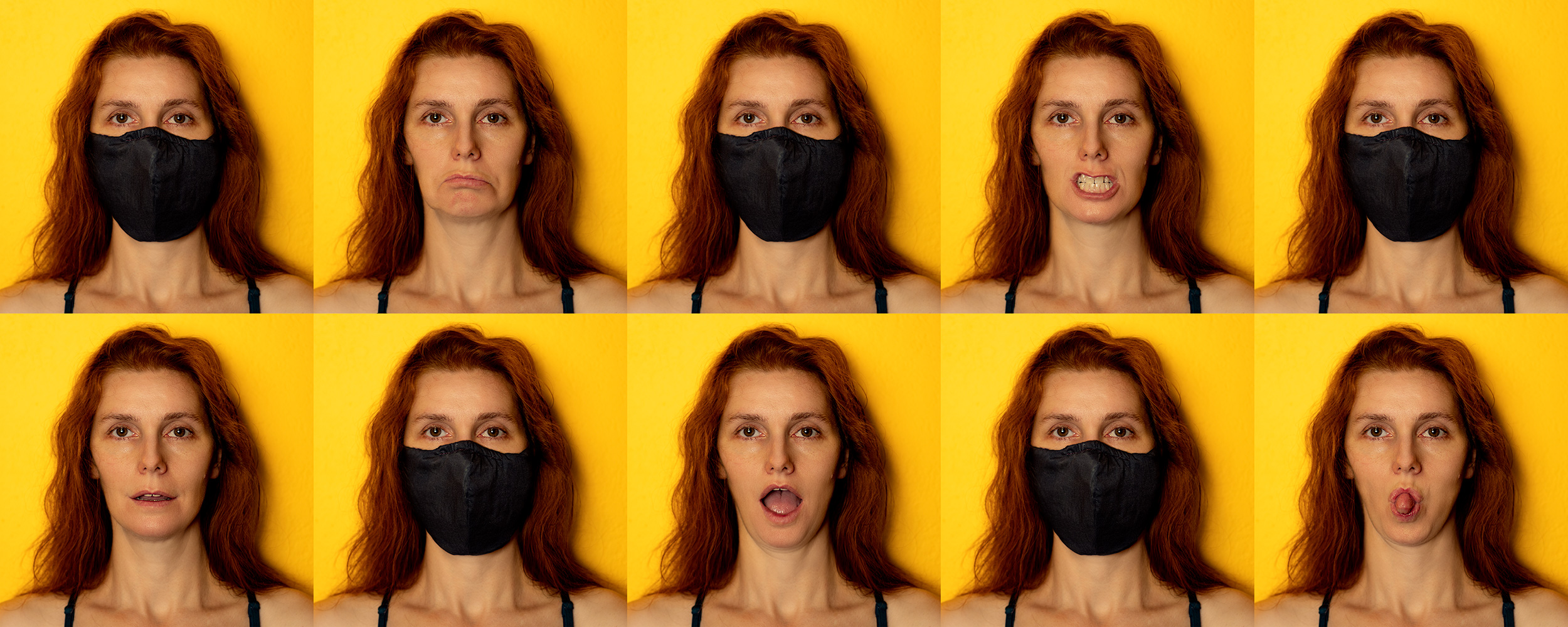
Let's take a quick test with a witness wearing a mask:
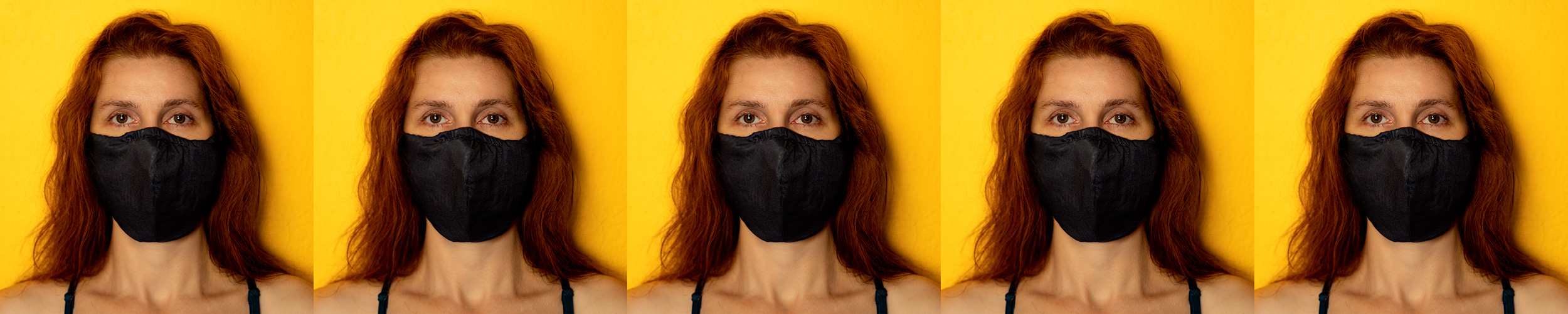
Is this photo illustrative of someone with a slight frown?
Is this photo illustrative of someone with a sneer?
Is this photo illustrative of someone with a slight smile?
Is this photo illustrative of someone in shock?
Is this photo illustrative of someone sticking their tongue out?
As Paul Harvey would say, here's the rest of the story:
Trial lawyers in both criminal and civil cases will need to seriously discuss these issues with the court in which their trials will convene. Ultimately, the courts need to balance the perceived health and safety of witnesses with the Sixth Amendment guarantee of a defendant's right to confrontation of witnesses.
Photos: Chazz Layne
Considerations for Home Jury Service
The Sixth Amendment of the U.S. Constitution guarantees that an “accused shall enjoy a speedy and public trial, by an impartial jury of the State and district wherein the crime shall have been committed.” The COVID-19 pandemic has created the potential for an environment in which courts are seriously considering home jury service as an option to bringing jurors into the courthouse. In fact, a recent Texas court conducted a non-binding arbitration in which all the jurors used a Zoom online platform for their “courtroom.” The jury selection and trial were conducted solely online in one day.
The impartial jury over the years has come to mean a jury that is a fair cross-section of the community or community conscience within the particular venue of the trial. Historically, lawyers have filed a Challenge to the Array motion if there is a foundation/belief that a jury panel is not representative of the community. Traditionally, demographic characteristics such as gender, age and ethnicity have been cited as either missing or being unrepresented in these types of motions. The remedy has been to disqualify and release the entire jury panel and begin the process of jury selection once again which is time consuming and costly to a court system that is already stretched too thin.
In addition to demographic factors, there may now exist a basis to challenge an entire panel on use of computers and the internet at home. Shouldn't a true cross-section of the community include a juror/jurors who don't have use of the internet within the home? According to a 2019 Pew research study, “10% of adults in the United States don't use the internet.” This was a longitudinal study from March 2000 to January 2019 in which 102 surveys and 237,421 interviews were conducted among the general public in the United States.
There are a number of considerations related to computer/internet usage that the courts should take into account when making decisions about reopening the courts to jurors or not. First, the geography of the venue should be analyzed. Studies have shown that individuals that live in rural settings are much less likely to have computers in their home much less use the internet.
Second, demographic factors should also be contemplated in the courts' analysis. It is generally known that seniors are much less likely to go online. Education as a demographic factor is also an important consideration. As of 2019, 29% of individuals in the United States with a less than high education didn't use the internet.
Third, it's important to note in the Pew research study that 32% of the internet non-users indicated that it was “too difficult to use.” And the court system is now considering online jury service wherein a platform such as Zoom is being suggested as the manner in which jurors can serve their civic duty?
Finally, what hasn't been addressed aside from the representativeness argument is the lack of outside influences from a juror who might be serving jury duty from home. What occurs when a family member or family pet wanders into the room in which the juror is watching court proceedings on a computer screen? What may the juror be looking at onscreen as they've minimized the “court viewing screen?” The juror could potentially be having multiple email or text conversations while the trial is taking place. Perhaps they're looking up litigant or lawyer information in direct conflict with a judge's instructions? How is a judge to reprimand a juror who manages to take a much longer break away from the screen for either the morning court break, lunch, or the afternoon court break? In addition, the juror's attention span will be significantly lessened due to so many distractions that occur within the home. Imagine the travails of a multi-day/week online trial with twelve jurors plus alternates. This is an absolute recipe for disaster.
Should courts decide to go the route of home jury service, trial lawyers, particularly in criminal cases, may be remiss in not exploring the use of Challenge to the Array motions based on the potential lack of jury members representing community consciousness.
Court TV with Ashleigh Banfield and Dr. Jo-Ellan Dimitrius
Dr. Jo-Ellan Dimitrius discusses the shooting of Ahmaud Arbery in Georgia.
S&C Leads Volkswagen to Victory in First Bellwether Trial Over Diesel Emissions
Volkswagen defeated massive damage claims sought by ten plaintiffs who opted out of the landmark class action settlement resolving consumer claims over Volkswagen's sale and lease of diesel cars that exceeded emissions standards. In the first bellwether trial, which was held before Judge Charles Breyer in federal court in San Francisco, S&C convinced a jury that plaintiffs had not suffered any meaningful economic harm and awarded them less in compensatory damages than if they had accepted the class action settlement…
Inside the Surreal Search for 12 Impartial Weinstein Jurors
…Jury consultants can provide an advantage during a labor-intense selection process like Weinstein's, which require lawyers to review questionnaires from hundreds of jurors. In the internet age, they also cyber sleuth. “I can type in your name right now and get a whole full report on you within 20 seconds,” Blueprint Trial Consulting partner Eric Rudich said during a phone interview. “For all prospective jurors, we have everything: where they live, their home value, political affiliation, sometimes things they've bought.” Weinstein's team has called foul on the alleged social media posts of several would-be jurors, including a writer who apparently tweeted about using his jury seat to promote his novel. The juror claimed the tweet, which has since been deleted, was intended to be humorous. On Thursday, Judge James Burke dismissed the juror—and threatened a contempt-of-court charge.
When I told another jury consultant, Jo-Ellan Dimitrius, about Weinstein's new hire, she burst into laughter. Not because of Stabile's rep—just Weinstein's timing. “It's certainly my experience on any high-profile case [that] we are retained by the client well before a trial,” said Dimitrius, who worked on the criminal trial that acquitted O.J. Simpson of murder and a civil case that ended in an eight-figure award to Francis Ford Coppola. Really rich clients who really want to win hire jury consultants to run mock trials, focus-test witnesses, and survey public opinions long before selection begins. (Rudich also brought this up. Then again, advising people to seek consultation is sort of part of a consultant's job, isn't it?) Hiring a jury consultant is still an advantage, she acknowledged. But the prosecution also has advantages, like, she said, “Mr. Weinstein being, let's call him, an unattractive defendant?”
“The courtroom becomes the home for the jurors; they notice everything and everybody,” Dimitrius said. Invoking the saga of Weinstein's cell phone disobedience, she said of his defense team, “They've got an uncontrollable client. And that's the worst scenario you can have.”
Weinstein's lawyers have argued that negative media coverage has damaged Weinstein's access to a fair trial. But jurors who know nothing about Weinstein may not be ideal, either. “Someone who is so clueless as to what's happening in the world around them might not be the best decision-maker,” said Fordham University law professor Cheryl Bader.
When I interviewed him several months ago, Weinstein defense lawyer Arthur Aidala said he'd be looking for “a mature juror…someone who's seen a lot of experience.” Someone who would “say, “Nah, if somebody really did that to me? Not the way I grew up. Not when I grew up in Brooklyn. Not when I grew up in the Bronx.'” During voir dire on Thursday, ADA Illuzzi-Orbon accused Weinstein's lawyers of “systematically eliminating every young white female” from two panels of prospective jurors.
“It is rare to find a demographic that is predictive. It is more experiential and attitudinal,” Dimitrius told me. She said that identifying jurors who have personal experiences with sexual assault is imperative: “The people who say yes—whether it's the jurors themselves, or a wife or husband or someone else in their family—those people are truly deaf to the defense…”
Forty Fort dentist cleared of tax fraud charges
A Forty Fort dentist accused of filing fraudulent tax returns to conceal more than $1 million of income has been acquitted of the charges.
A jury on Thursday found Charles Musto not guilty on two counts of wilfully filing a false tax return. The U.S. Attorney's Office previously dropped a charge of operating a corrupt endeavor to impede the administration of tax laws.
“It's refreshing to know that juries pay attention and can put aside attempts to portray a well-regarded citizen as a villain simply because he made the mistake of relying on professionals…
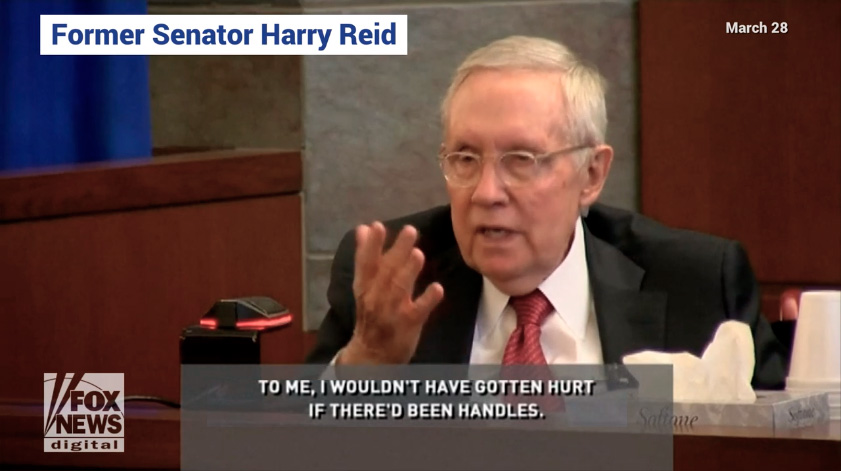
Jury rejects Harry Reid's lawsuit against fitness band maker
A jury in Las Vegas flatly rejected former Senate Democratic Leader Harry Reid's lawsuit against an exercise band maker he blamed for injuries—including blindness in one eye—he suffered when the stretchy device slipped from his grasp and he fell face-first a little more than four years ago.
After eight days of testimony, the eight-member civil trial jury deliberated about an hour before declaring that Reid never proved the first of 10 questions they were asked to decide…
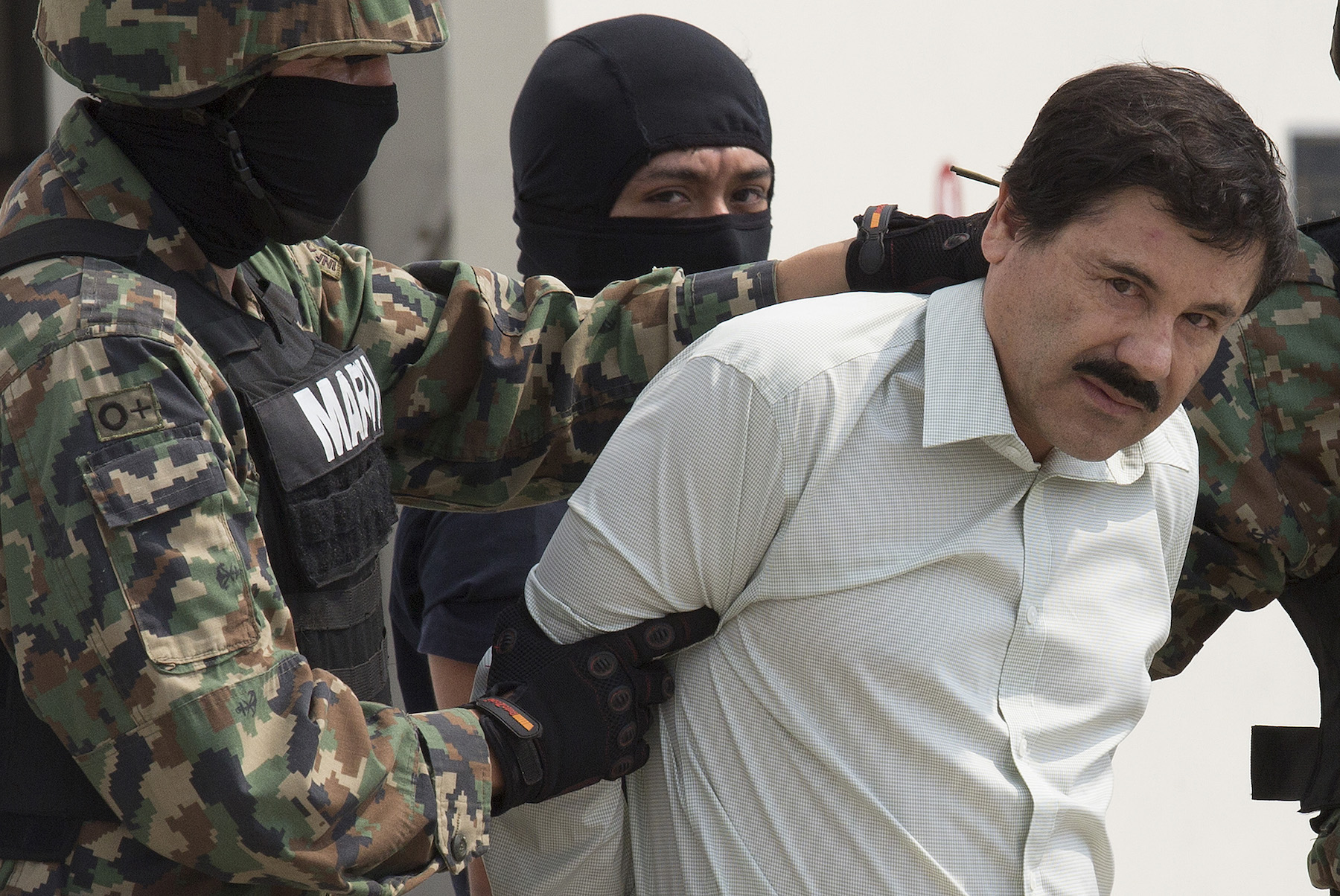
El Chapo wants a new trial, asks court to investigate alleged juror misconduct
“It is a very serious problem and I think this judge really sits on the precipice with a lot of folks in the judiciary potentially following what's going to happen here,” said Jo-Ellan Dimitrius, a jury consultant for the defense team in the O.J. Simpson trial. “This is really going to set a precedent, and the judge knows this.”
Juries are supposed to reach a verdict based solely on evidence and testimony heard inside the courtroom, but Facebook, Twitter, and Google have made it easy for curious jurors to seek out forbidden information about their case. Exactly how often that happens remains unclear, largely because jury deliberations are held in secret. Misconduct is typically only reported when jurors come forward or post publicly on social media.
Dimitrius said her firm's polling has shown that 40 percent of prospective jurors say they would violate a judge's instructions about social media. Other publicly available research suggests internet-related juror misconduct is rare. Only 33 federal judges out of nearly 500 surveyed in 2014 reported catching social media use by jurors during trial or deliberations. Another survey, also from 2014, of nearly 600 jurors from state and federal courts found that just 8 percent admitted being “tempted to communicate” about their case on social media.

Alpine City ordered to pay $1.7 million in defamation lawsuit
Alpine city and former mayor Don Watkins were ordered to pay $1.7 million to several construction companies after nearly 20 years of land development disputes. The lawsuit accuses the city and former mayor of defamation and breaking contracts over city development, according to court documents from the 4th District Court in Provo.
“The city has breached the covenants of good faith and fair dealing by its actions,” the initial complaint states. The court ordered Watkins and Alpine City pay $1,756,000 for damages to the construction companies. The lawsuit initially asked for monetary damages of $10 million.
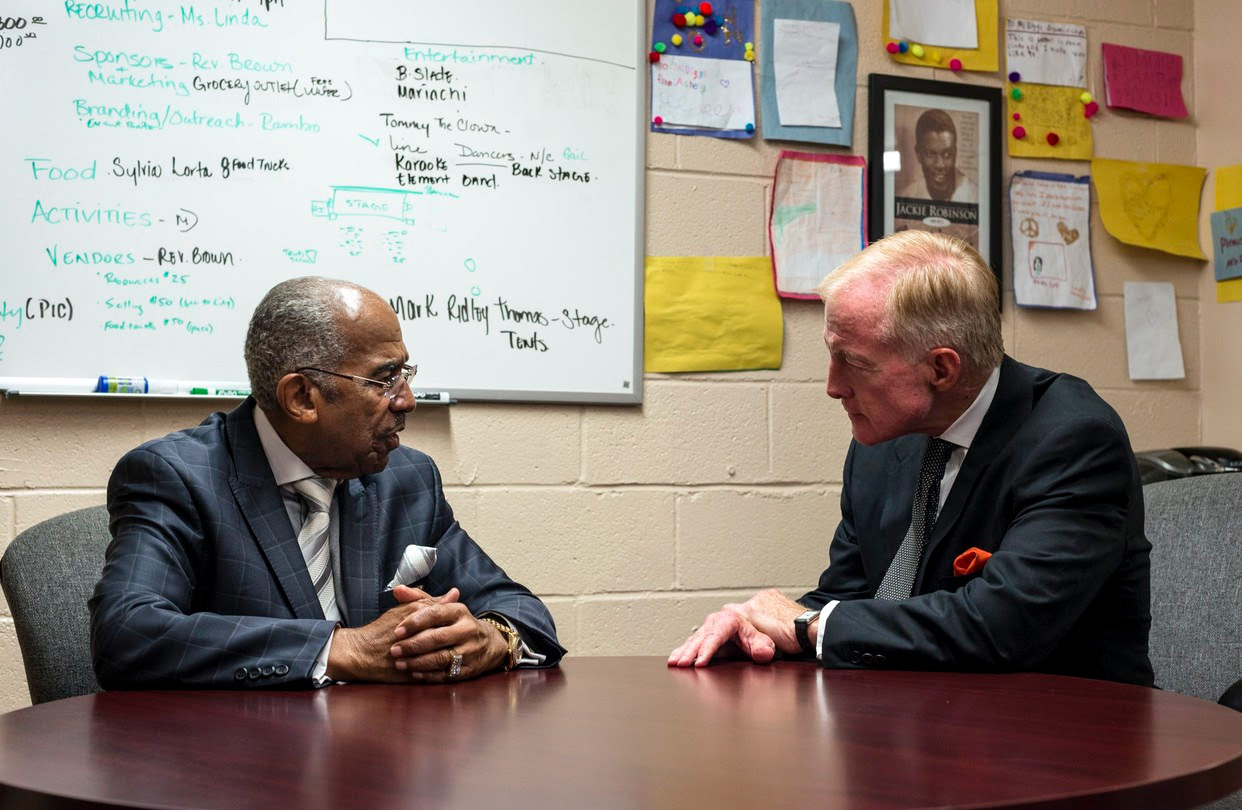
Federal Jury Rules Against Transamerica in Battle Over Rates
The case involved the alleged use of racial data to justify rate increases on “investor-owned' policies at a Los Angeles church
A federal jury found in favor of policyholders in a closely watched case that challenged the leeway life insurers have when raising rates on old policies.
The eight-person jury in Los Angeles awarded $5.6 million in damages to an investment group, DCD Partners LLC, that alleged Aegon NV's Transamerica Life Insurance Co. impermissibly used race-based data when it raised rates by 50%. The jury found that Transamerica breached its insurance-policy contract and an obligation to deal fairly and in good faith, according to the verdict form filed Wednesday.
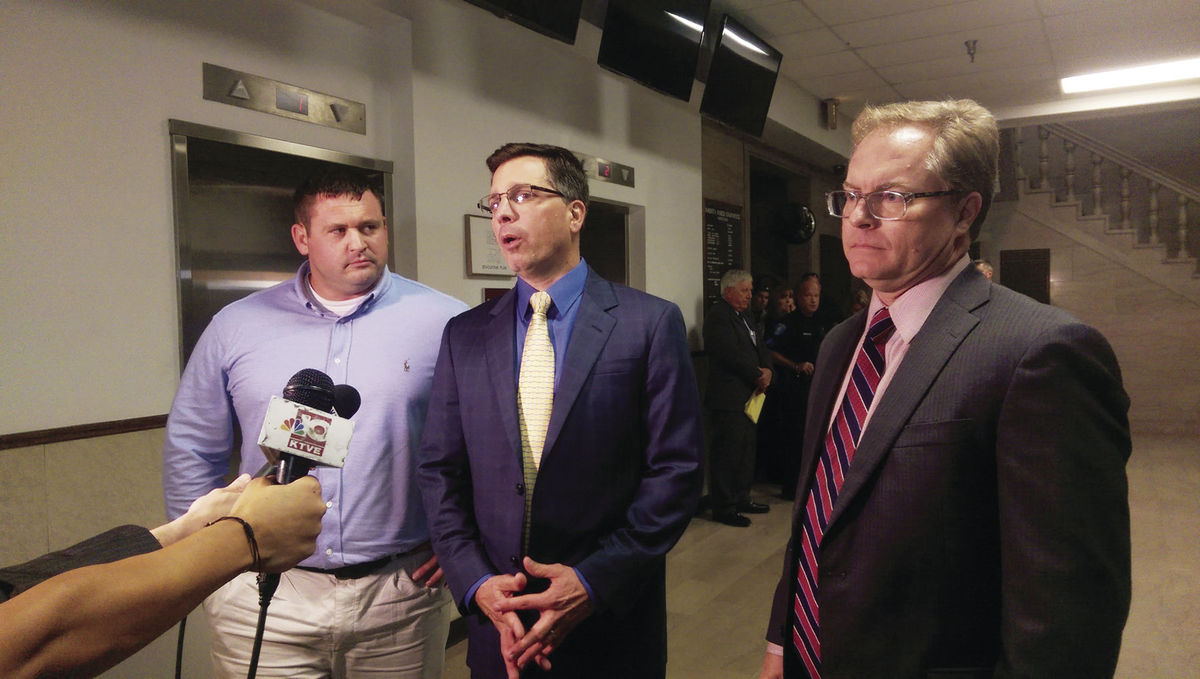
Recent Negligent Homicide Case Acquittal
Jury acquits WMPD officer Jody Ledoux in homeless man's death
A six-person jury found Jody Ledoux not guilty of negligent homicide after a weeklong trial related to a December 2014 incident where the West Monroe police officer shot and killed 51-year-old Raymond Keith Martinez.
Martinez was described as drunk when Ledoux encountered him outside a convenience store in West Monroe on Dec. 4, 2014. After arriving at the store, Ledoux exited his patrol car and shot Martinez four times. Martinez died at a local hospital later that evening as a result of his injuries.
Interview with Boston's NPR on High-Profile Cases
Dr. Jo-Ellan Dimitrius and Robin Young discuss the difficulties involved in finding impartial jurors for high-profile cases.
Interview with KABC regarding Zimmerman Trial Jurors
Dr. Jo-Ellan Dimitrius discusses the Zimmerman trial with KABC.
Interview with BBC regarding the Boston Bomber Trial
Listen in as Dr. Jo-Ellan Dimitrius discusses the Boston Bomber Trial.
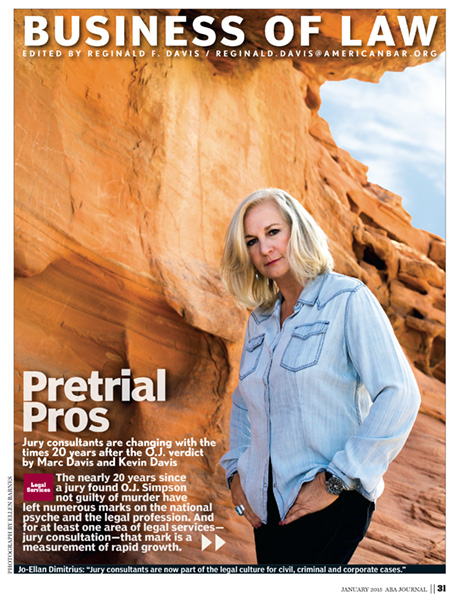
Dr. Jo-Ellan Dimitrius has been dubbed a ‘Pre Trial Pro' by the American Bar Association
Pretrial Pros
Jury consultants are changing with the times 20 years after the O.J. verdict
by Marc Davis and Kevin DavisThe nearly 20 years since a jury found O.J. Simpson not guilty of murder have left numerous marks on the national psyche and the legal profession. And for at least one area of legal services—jury consultation—that mark is a measure of rapid growth.
Jo-Ellan Dimitrius, who rose to national prominence as a jury consultant for Simpson's criminal defense team, has seen the number of consultants rise significantly.
“A multiplicity of people have entered the profession,” says Dimitrius, founder, president and CEO of Dimitrius & Associates in Henderson, Nevada. “Jury consultants are now part of the legal culture for civil, criminal and corporate cases.”
Numbers Tell the Story
That growth is reflected in the membership of the American Society of Trial Consultants, which has expanded from fewer than 20 members in 1983 to around 300 today and publishes a magazine featuring social science research for jury consultants.
Dimitrius says her client list also has expanded since the O.J. trial. “In my practice, I've worked for both the plaintiff and defense sides of a trial. In corporate cases I've worked on everything—product liability, patent infringement, breach of contract, you name it.”
Says John O'Malley, a partner at the Los Angeles office of Fulbright & Jaworski, “I can't imagine at this point not using jury consultants or focus groups.” He started hiring jury consultants in the 1990s.
Richard Gabriel, president of Decision Analysis in Los Angeles, worked with Dimitrius on the O.J. trial. “Certainly, the O.J. Simpson trial created a lot of awareness of what we do—and also created myths that we're only jury pickers,” says Gabriel, author of Acquittal, a book about some of his famous cases. “Hiring consultants is also about risk evaluation.”
Gabriel studies what juries want to see, what their biases are, and how they absorb and evaluate information. “How do I make a complex case more clear and more compelling?”
Rich Matthews, a senior trial consultant with Juryology in San Francisco, agrees that the term jury consultant is a misnomer.
“What we do is so much broader than what happens with a jury. The jury selection process is the least important thing we do, but the most public,” he says. “The bigger things we do really happen before that. It's really trying to resolve the dispute before trial.”
That's where focus groups and mock trials come in, which have elements of jury selection. Gathering data on how people view cases, Matthews says, helps lawyers to frame those cases and build the narratives they need to make better arguments.
Tech Footprints
A big shift since the Simpson trial is how technology has changed the nature of jury research. “What we have now that we didn't have 20 years ago to research jurors is social media, the Internet, Facebook, LinkedIn—a prospective juror's entire social media footprint,” Dimitrius says. “We can now also conduct online focus groups. We can do an Internet search for information on prospective jurors.”
Mark Calzaretta, director of litigation consulting with Magna Legal Services in Philadelphia, says online technology helps in the selection of jurors who'd be most sympathetic to a litigant's case.
One new and effective method of developing a potential juror's profile—psychological, social, economic, political, educational, religious—is the online focus group, which can be done virtually anywhere instead of having to gather people in one location.
While jury consultants are working smarter, so are potential jurors. “The average juror has changed since the O.J. case,” Dimitrius says. “The average juror is more sophisticated now, more familiar with legal terms and procedures.
Because of TV shows, jurors are now more knowledgeable,” she says. “There are also websites that tell prospective jurors how to get out of jury duty.”
Originally published in the January 2015 ABA Journal.
Dr. Jo-Ellan Dimitrius featured in the Miami Herald
Social media delayed: a case of life and death
By Jo-Ellan Dimitrius, Ph.D., Amy Singer, Ph.D. and Diana Greninger
Jury selection for Jodi Arias sentencing phase began this Monday in Arizona. Given this case's publicity, social media has once again come into question. As citizens, we must ask ourselves, is it possible social media is affecting our jury system? Are defendants in these high publicity trials in fact getting a fair and impartial jury of peers? How can attorneys select a panel of impartial jurors once the case has been broadcasted to the world? Is social media affecting witness testimony or any other aspects of a trial?
It has come to light that many of the defendant's witnesses have refused to testify as they have received death threats. Death threats can be qualified as witness intimidation, which is illegal in the United States. Yet, it is becoming more prevalent amongst high publicity cases.
Judge Sherry Stephens ruled that she will not allow live streaming of the sentencing trial, live tweeting or Facebooking by reporters this time around, in part to protect the few witnesses who are still willing to testify for Arias. Yet, because of the first amendment, she cannot exclude reporters and their cameras from the courtroom, she can simply require that they wait until the verdict comes out to publish video taken of the court proceedings.
This time around, the defense has also asked for access to potential jurors' twitter accounts as a way to avoid stealth jurors. However, given this information has been made public, who is to say such potential stealth jurors won't delete their past tweets or social media posts and get themselves empaneled despite having already made a decision about Arias' outcome? Who is to say someone won't finagle a way to share sensitive courtroom information with the general public on a delayed social media feed during jury selection or even during the trial?
While the judge has ruled no live video streams should be made available, we can be certain reporters and even spectators will be creating delayed tweets, Facebook posts, blogs and articles about proceedings. Among these posts, some will be truthful but most will not. Such information can have quite an impact on jury selection, which is expected to last three weeks.
In this case, potential jurors, spectators, reporters and the public have yet to see how someone's life can be impacted by what is said or shared online. There is no social filter for what people post online. It is so easy to exaggerate or put one's own slant on a courtroom's daily events knowing they will not be held accountable in some fashion. Most people don't realize tweets on their personal account can be shared and produce such a life or death effect. Most people simply relish in the fact their post or tweet got shared or retweeted, rather than on the end result.
This trial is about a single issue: life or death. How should this decision be made? By social media or a by a fair trial? Is social media becoming an outlet for people to release their anger? Who in their right mind makes death threats to witnesses? Are these people's posts and threats affecting the outcome of life vs. death if witnesses are afraid to testify?
We all have opinions, life experiences and general beliefs that affect our decision making but when it comes down to the jurors who will be deciding this case, and whether Jodi Arias should live or die, it is imperative for the empaneled jury to rely solely on what is coming from their heart and what they have heard in court rather than what they heard from the outside. An outside that always thinks it knows all the facts, but truly it does not. Anyone involved in a trial can tell you that the media rarely depicts the truth.
Because of that component, it is understandable why judge Stephens has made the decisions she has and is not releasing the supplemental juror questionnaire nor allowing live news coverage of this trial until a verdict is reached. Her decision is similar to the Canadian jury media system which allows no coverage to be shown until a verdict is reached.
However, she cannot control everything. Information will be leaked. The reporters and spectators will write their stories, tweet their tweets and write their blogs. They will simply do it on a delayed feed. They might write a blog every night about what is happening, how Arias is coming across, how she is dressed, etc. Jurors will have to be extra diligent not to access any social media or news reports. Judge Stephens and the attorneys will surely have to monitor the selected panel's social media activity if they are not being sequestered.
Judge Stevens has taken some steps in the right direction, but will it be enough? Are cell phones and lap tops being confiscated upon entering the courthouse as it is often done in federal courthouses? Perhaps that would keep folks from taking down quotes verbatim and posting them in a delayed schedule, despite her rulings. In what other ways do you think social media will affect this trial? Join the conversation.
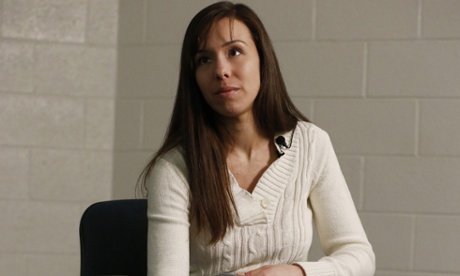
Dr. Jo-Ellan Dimitrius in the News
New Jodi Arias trial set to determine life or death for convicted killer
Aided by consultant on OJ Simpson trial, court will attempt to select impartial jurors from in high-profile murder case
Jodi Arias' guilt has been determined. The only thing that remains to be decided is whether she dies for killing her ex-boyfriend.
More than six years after the death of Travis Alexander, and more than a year after Arias was convicted of murder, a second penalty phase to determine her punishment gets under way on Monday with jury selection.
Arias acknowledged that she killed Alexander in 2008 at his suburban Phoenix home, but claimed it was self-defence. He suffered nearly 30 knife wounds, had his throat slit and was shot in the head. Prosecutors argued it was premeditated murder carried out in a jealous rage when Alexander wanted to end their affair.
The 34-year-old former waitress was found guilty last year, but jurors could not agree on a sentence. While Arias' murder conviction stands, prosecutors are putting on the second penalty phase with a new jury in another effort to secure the death penalty. If the new jury fails to reach a unanimous decision, the judge will then sentence Arias to spend the rest of her life behind bars or to be eligible for release after 25 years.
At least 300 prospective jurors will be called in the effort to seat an impartial panel, not an easy task in the case that has attracted so much attention.
“You'd have to have been living in a cave to have not heard about Jodi Arias,” said Phoenix defense lawyer Mel McDonald, a former judge and federal prosecutor. However, McDonald added, an impartial juror doesn't mean they have never heard of Arias, just that they haven't made a decision on whether she should live or die.
Jury consultant Jo-Ellan Dimitrius, who has worked on numerous high-profile cases, including the murder trials of Scott Peterson and OJ Simpson, said a key obstacle for Arias' attorneys will be identifying so-called stealth jurors who will lie to get selected after already making up their minds on punishment.
“I can assure you they're going to have at least one person on that panel that has an agenda,” Dimitrius said, adding that the possibility of another sentencing mistrial should be a huge concern for prosecutors.
“It just takes one whack-job, if you will, to hang a jury,” Dimitrius said.
She also said that in such high-profile cases, even prospective jurors who don't know much about the trial might find themselves suddenly interested and ignore the judge's admonishments to avoid any outside research. The jury questionnaire used to screen panelists will not be made public until after the jury is seated.
“They're largely going to be focused on the media,” Dimitrius said. “Did you follow the case? Did you watch the TV coverage? Did you watch the trial every day? They're going to want to find out if this is someone who is a court watcher or someone who just happened to see it in the paper the next day.”
One key difference in the second penalty phase is that there will be no live television coverage. Judge Sherry Stephens ruled that video cameras can record the proceedings, but nothing can be broadcast until after the verdict.
Arias' five-month trial began in January 2013 and was broadcast live, providing endless cable TV and tabloid fodder, including a recorded phone sex call between Arias and the victim, nude photos, bloody crime-scene pictures and a defendant who described her life story in intimate detail over 18 days on the witness stand.
Arias' attorneys claimed the televised spectacle led to threats against one of her lawyers and defence witnesses who opted not to testify.
Citing Arias' right to a fair trial, Stephens is erring on the side of caution. The retrial is expected to last until mid-December.
Litigator Courtroom Demeanor
How many times have you seen a litigator roll his/her eyes as a witness is testifying; wink at a juror; or lean back in the chair (as if it's going to tip over) and gaze at the ceiling? Lawyers run a high risk of alienating themselves from the jury when they showboat.
I had the good fortune of beginning my career in the criminal courtrooms of Los Angeles. As a novice jury consultant, I learned the nuances of working in a courtroom within the confines of a familial environment. Because judges, prosecutors and defense attorneys interact with each other on a daily basis there is little tolerance for outrageous attorney behavior. Although, that's not to say that it does happen from time to time.
Unfortunately, the civil courtroom isn't so civil. It is rare for a civil litigator to get into the courtroom more than a few times a year. As such the unwritten rules of courtroom behavior don't seem to apply to some litigators.
In our recent post-verdict interviews of a Southern District of New York and Arkansas Superior Court jury panel, the first words out of their mouths were how disgusted they were with particular lawyers that had argued the case. The jurors described the lawyers who were winking at them during witness examinations; sighing at inappropriate times; and laughing at witnesses when no one else was laughing. The respective verdicts didn't bode well for those lawyers.
The opinions regarding lawyer demeanor aren't unique to these geographical locations. We constantly receive feedback in this regard from jury panels across the country. So, what are those unwritten rules of courtroom behavior?
- Be cautious of rolling your eyes
- Never laugh at inappropriate times
- Consider the recipient's reaction when you wink
- Remember that a juror's physical space can be negatively pierced when you stare at them
- Never physically mock an opponent in front of a jury
While all of this may seem common sense even experienced litigators can forget these principles. You can be an effective advocate without displaying inappropriate and unprofessional behavior. Remember that when the jurors walk into the courtroom they view the courtroom as an alien environment in which everything and everyone is under scrutiny.
To learn more about our services, please contact us at (928) 237-9651 or email: info@dimita.com
Securing Your Next Client—Digital Footprint, Digital Dossier, Digital Tracks
The nuances of attracting and securing a new client as a lawyer haven't received much written commentary. With the economic crisis still affecting our business interactions it is becoming much more difficult to attract and secure corporate clients. How does a lawyer deal with increasing pressure to deliver the corporate client? Here's a thought that may not be particularly groundbreaking but certainly timely in our technological society: digital footprints.
What are digital footprints? They are the tracks, data and information left by any corporation on the internet through either their own manipulation (postings, blogs, etc.) or through the manipulation of others.
In your due diligence of a potential corporate client, how often do you “Google” the corporation and its key management? How often do you go beyond the articles written about the entity and read the actual comments posted to the particular article? Further, how often do you consider the source and readership of the article? If Huffington Post writes the article then you're generally apt to find more liberal readers reacting to the article and can make some assumptions about potential juror bias based on that fact. If Fox News posts the article then chances are your responders will be more conservative.
It's really shocking to know how many companies still operate in the dark ages when it comes to self-assessment of their digital footprint and the manner in which it impacts public perception. It doesn't take a rocket scientist to hypothesize that the more you research the digital tracks of a corporation the better prepared you will be to highlight their strengths and weaknesses when you're in that “Beauty Contest” in front of the client. This synthesized knowledge will aide in the presentation and persuasion process as it relates to potential litigation.
To learn more about our services, please contact us at (928) 237-9651 or email: info@dimita.com.
Insensitivity to Other Cultures
Well, the out of touch “reality stars” family Kardashian have once again demonstrated their inability to understand basic rules of human conduct. Over the weekend, Khloe Kardashian wore an Indian headdress to a party being held for her one-year old niece, North West. Clearly she was totally oblivious to the racial consequences of doing so.
Apparently, Khloe hasn't heard that the Native American culture considers the headdress a sacred and spiritually powerful item that is only to be worn by chiefs or highly regarded warriors of certain tribes. It is important to note that it is considered a serious insult for a non-native to wear such an article of tribal culture. I have been told by many native-Americans that it could potentially bring negative side effects to the wearer. Hmmm—do you think she needs to bring on any more negativity during her divorce from Lamar?
Navajo healer, Gomo Martinez, from Lukachukai, Arizona, has stated to me that a “war bonnet is a highly respected article of culture for the native-American. It almost always signifies a person of extreme importance within the tribe”. Another interesting side note is that if a non-native is using real eagle feathers and they don't have a permit for those feathers then “they are violating federal law as well.”
Lawyers should always keep in mind the possibility of public persona bias when dealing with a client or witness.
To learn more about our services, please contact us at (928) 237-9651 or email: info@dimita.com.